

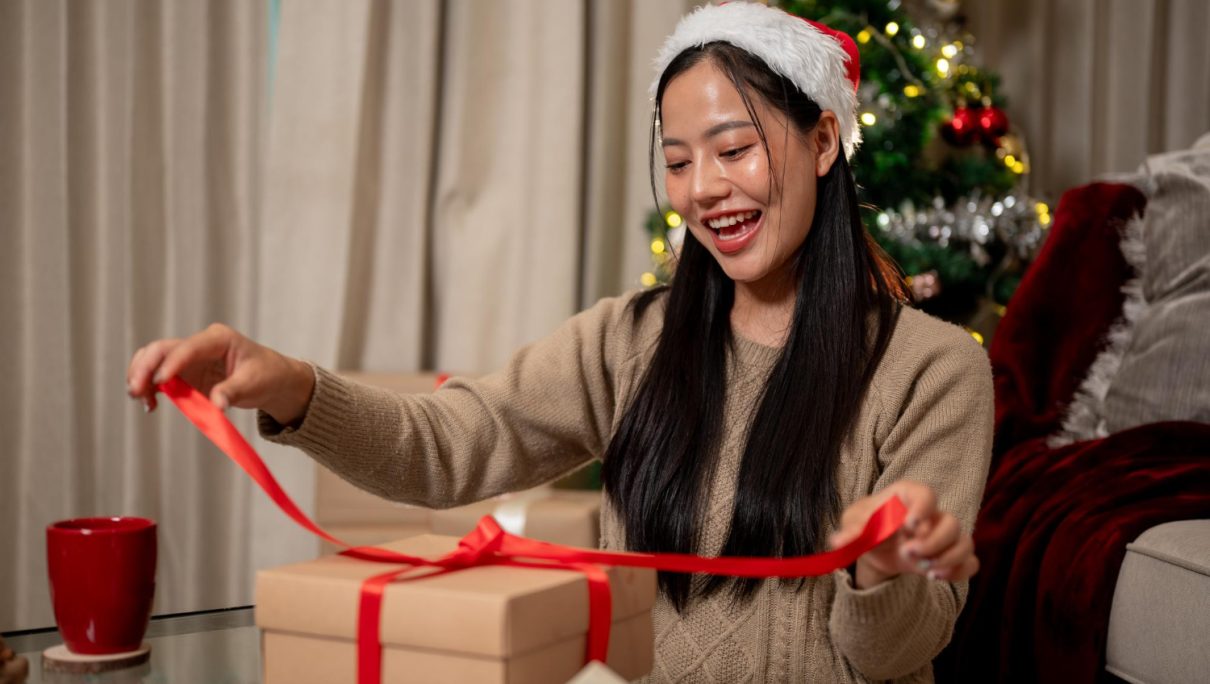
Holidays often get treated as fixed traditions, a turkey on the table, a jack-o’-lantern on the porch, a tree in the living room. But in a country as diverse as Canada, these holidays rarely stay exactly as they started. They get folded into other traditions, reshaped by other cultures, and often become something richer in the process.
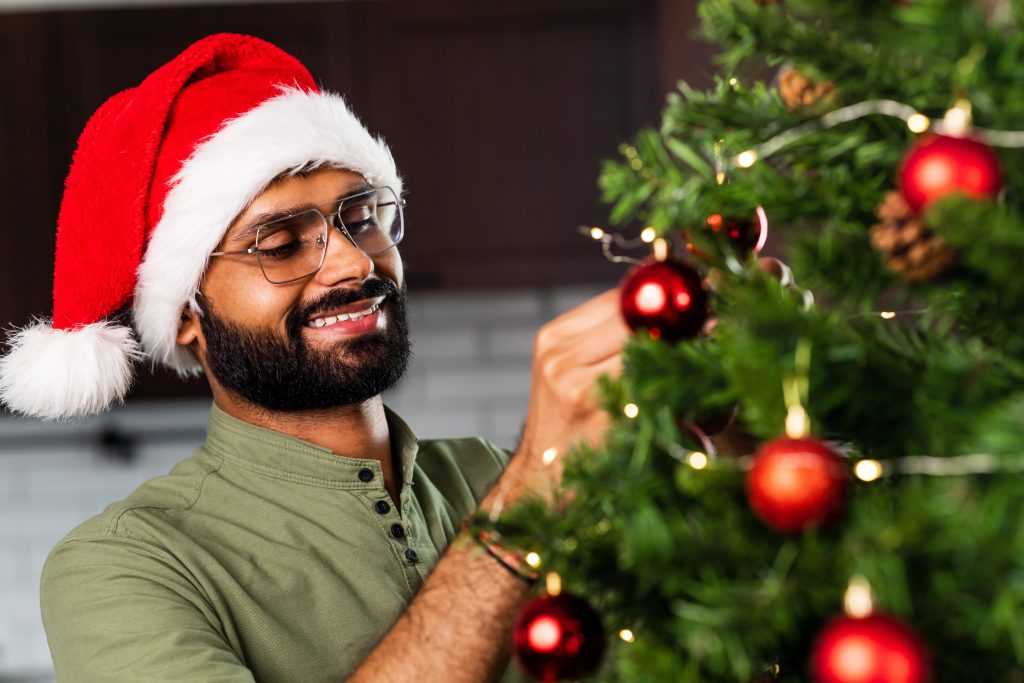
Here’s a look at how a few of the biggest holidays get celebrated across multicultural Canada, and why that matters for brands trying to show up during these moments.
Thanksgiving: One table, many cuisines
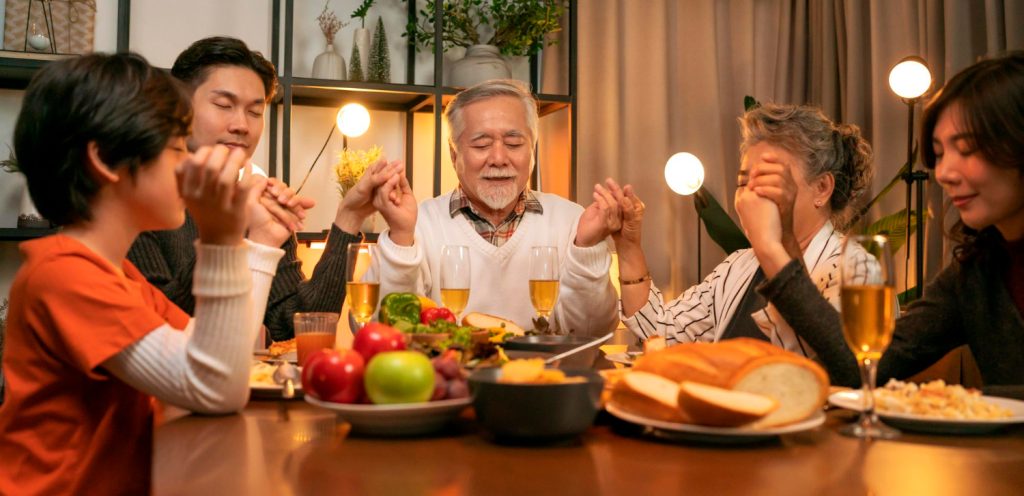
Thanksgiving might be Canada’s most “blended” holiday. A survey of newer Canadians (in the country 12 years or less) found that 81% celebrate Thanksgiving, but nearly half blend the traditional menu with dishes from their own heritage. Roast chicken, fried rice, and pancit (a Filipino noodle dish) all showed up alongside turkey and stuffing on modern Thanksgiving tables.
That blending isn’t a compromise, for a lot of families, it’s the point. Many cultures already have their own harvest or gratitude traditions, so Thanksgiving becomes less about adopting something new and more about layering a Canadian occasion onto something familiar. The gratitude stays the same. The table just gets more interesting.
Halloween: Old roots, new traditions layered on top
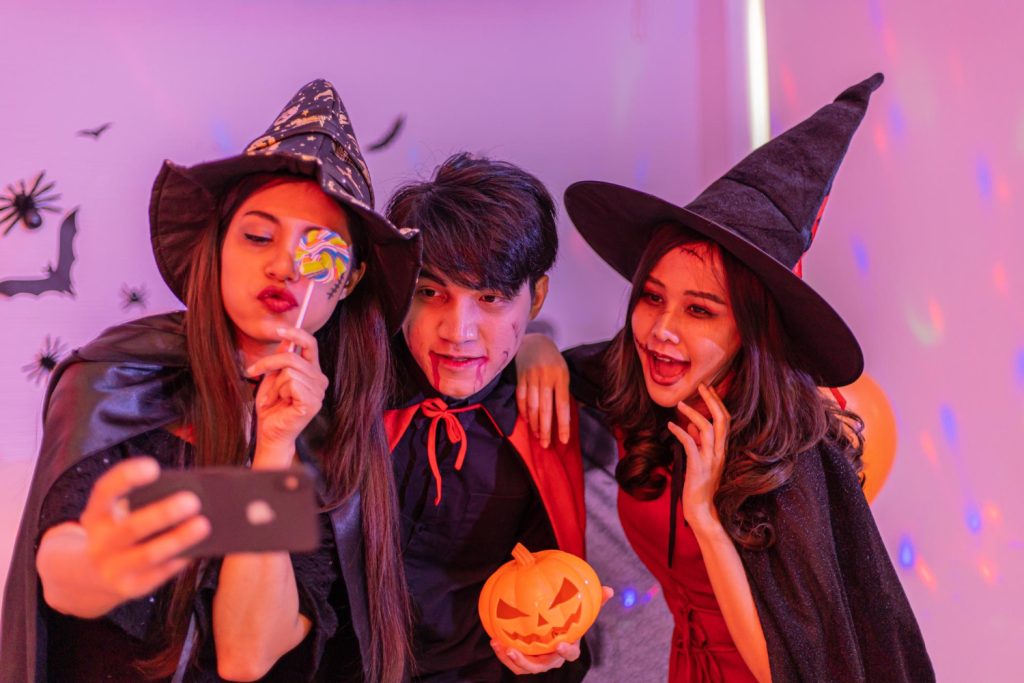
Halloween in Canada traces back to 19th-century Irish and Scottish immigrants, who brought over the customs that eventually became trick-or-treating and jack-o’-lanterns. Today, those roots sit alongside newer ones. In many communities, Halloween now overlaps with Día de los Muertos (Day of the Dead), with ofrendas and altars appearing in homes and public spaces right alongside pumpkins and costumes, two distinct traditions, about very different things, sharing the same week.
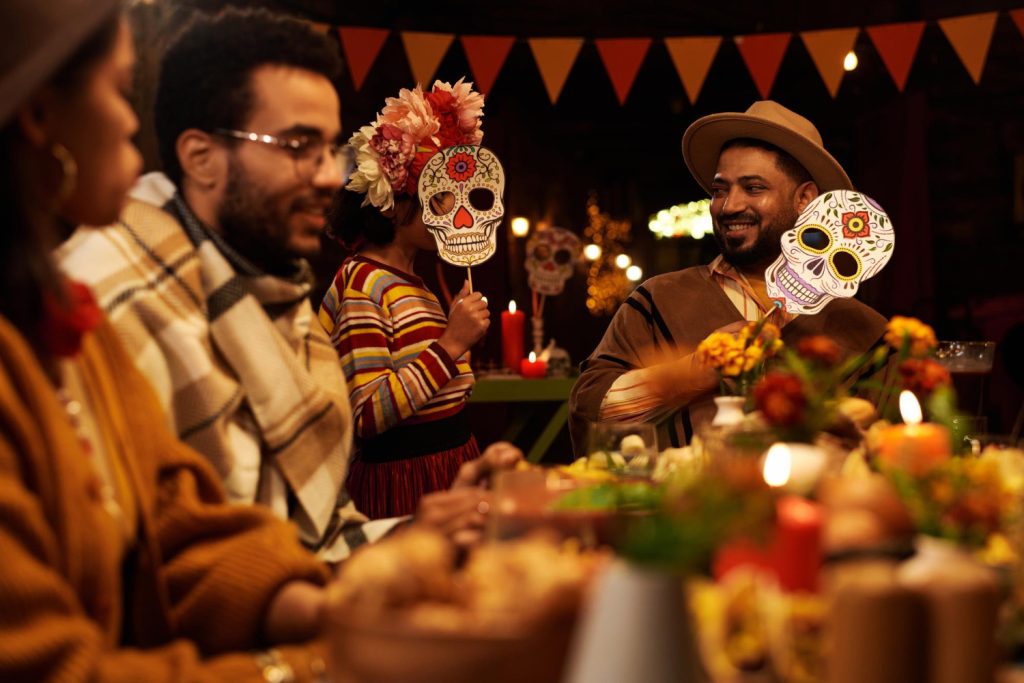
For a lot of multicultural families, Halloween isn’t really about ancestry or superstition at all, it’s simply a fun, low-stakes way for kids to participate in something all their classmates are doing, regardless of what else the family celebrates.
The Holiday Season: More than one holiday happening at once
December in multicultural Canada is rarely just “the Christmas season.” Christmas overlaps with Hanukkah, Kwanzaa, and, for many East Asian communities, a distinctly separate Lunar New Year celebration weeks later. One writer recalled a store clerk cheerfully wishing customers a “Happy Christmakwanzukkah” – an attempt, clumsy but well-meant, to hold multiple celebrations in one greeting.
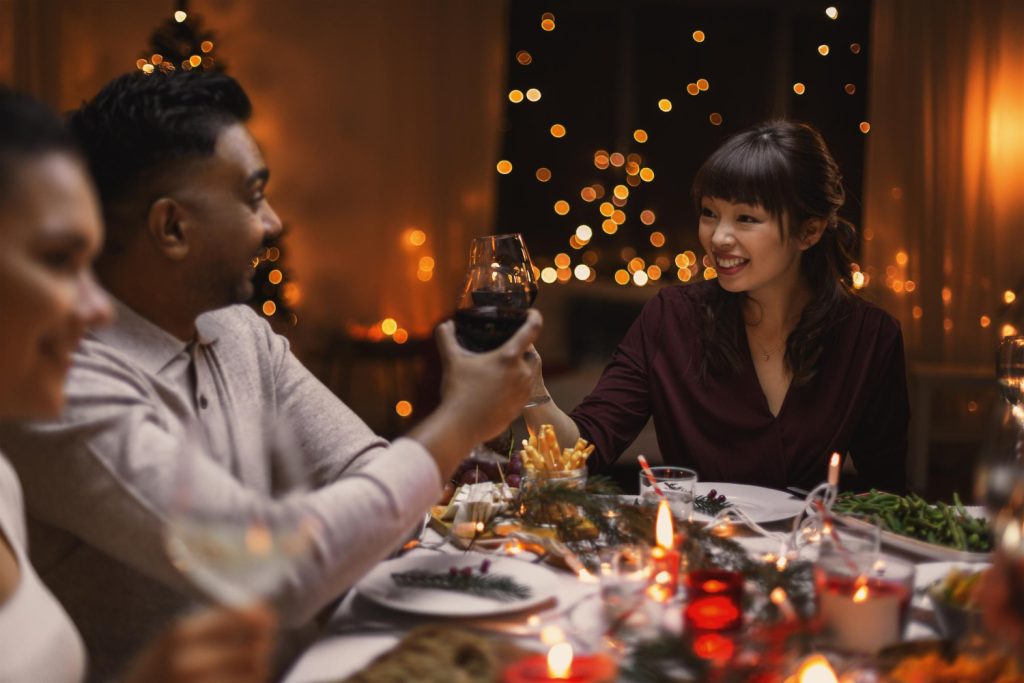
For interfaith and multicultural households, “the holidays” often means genuinely celebrating more than one tradition in the same season, not picking one over the other, but making room for both a menorah and a tree, or a Christmas dinner followed by New Year’s prep for a Lunar New Year weeks later.
Valentine’s Day: A Western import, reinterpreted
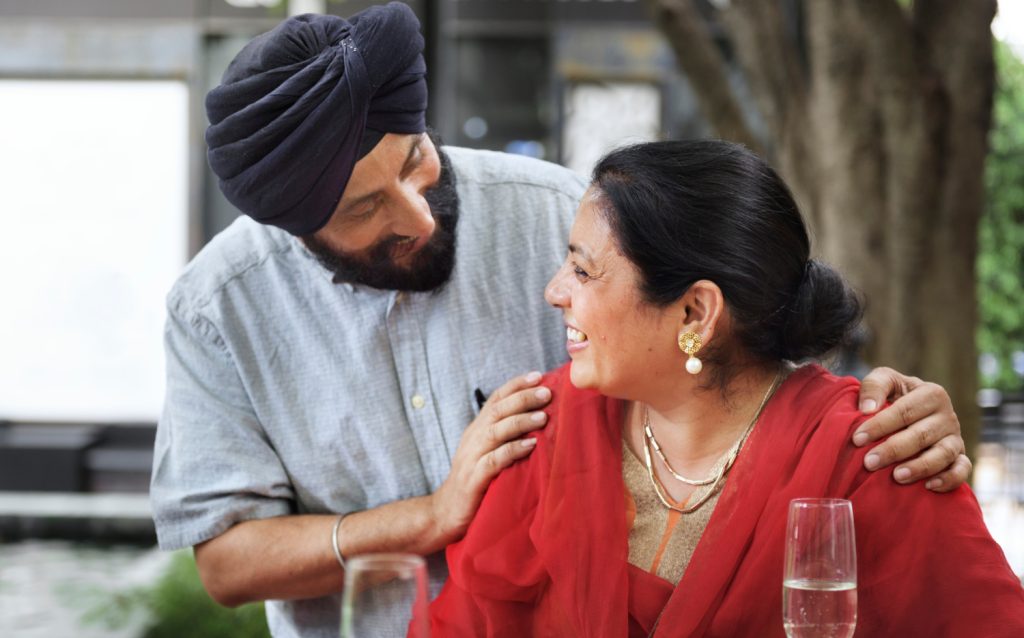
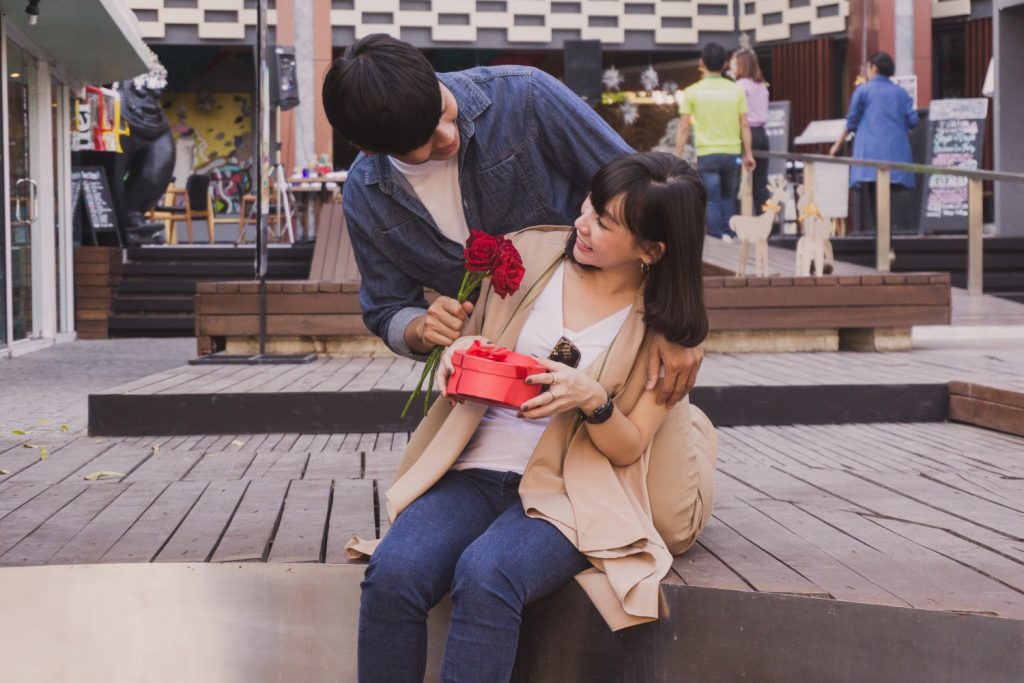
Valentine’s Day doesn’t carry the same religious or ancestral weight as the other holidays here, which is partly why it travels so easily. For many multicultural families, it’s been adopted less as a romantic tradition and more as a family or community one: cards and small gifts exchanged between parents and kids, classroom celebrations, or a broader “day to appreciate the people you love” rather than a couples-only occasion. The commercial version of the holiday gets picked up quickly, even in households where it isn’t rooted in any particular cultural or religious history, often because it’s an easy, low-cost way to participate in something happening at school or in the community.
What this means for brands
The common thread across all four of these holidays is the same: multicultural families aren’t choosing between “their” traditions and “Canadian” ones. They’re building something that holds both, often without much friction at all.
Brands that market to “the holiday season” or “Thanksgiving” as a single, fixed experience are missing a huge and growing part of how Canadians celebrate. The opportunity isn’t to invent a separate campaign for every tradition, it’s to make room, in the campaigns already being built, for the fact that the table looks different in different homes. What does your holiday season look like at home, and does it look anything like the ads you see this time of year?


